Keto Diet and Indian Food
The keto diet has acquired enormous recognition for its proven benefits in weight management, enhanced energy levels, and better metabolic health. However, for many Indians, the greatest challenge is adapting this low-carb, excessive-fat lifestyle to traditional Indian food, which is often rich in rice, wheat, and lentils. The good news is that Indian cuisine is quite adaptable, and with the appropriate ingredients, it can be keto-friendly without compromising flavor or authenticity.
This is where Swad Restaurant enters the scene, delivering the cozy tastes of Indian cuisine while carefully modifying recipes to accommodate contemporary dietary choices like keto. From aromatic spices to healthy fats and protein-rich ingredients, Indian cuisine can be both delicious and keto-friendly. For foodies looking for a South Indian restaurant in Lethbridge, Swad stands out as a location where tradition meets conscious eating, demonstrating that even on a keto diet, you can still enjoy the full essence of Indian flavors.
What is Keto Diet?
The Keto Diet, short for ketogenic diet, is a low-carbohydrate, high-fat eating plan designed to shift the body’s primary energy source from carbohydrates to fats. The body enters a metabolic condition known as ketosis when it consumes more fat and significantly fewer carbohydrates.
How the Keto Diet Works
Under normal conditions, your body uses glucose (from carbs) for energy. On a keto diet:
- Carbohydrate intake is kept very low
- Fat intake is significantly increased
- Protein is consumed in moderate amounts
As a result, the body starts breaking down fat into molecules called ketones, which are then used as the main fuel source instead of glucose.
Typical Macronutrient Breakdown
- 70–75% fats
- 20–25% protein
- 5–10% carbohydrates
Foods Commonly Included
- Healthy fats (coconut oil, ghee, butter, olive oil)
- Proteins (eggs, fish, chicken, paneer)
- Low-carb vegetables (spinach, cauliflower, cabbage)
- Nuts and seeds (in moderation)
Foods to Avoid
- Rice, wheat, and refined grains
- Sugary foods and beverages
- High-carb fruits and starchy vegetables
Purpose of Keto Diet
The Keto Diet is designed to help the body transition from using carbs as its primary source of energy to burning fat more effectively. By dramatically reducing carbohydrate intake and increasing healthy fats, the keto diet induces ketosis, in which fat becomes the primary fuel source.
Benefits of Keto Diet
- Weight Loss & Fat Burning: The keto diet promotes rapid fat loss by encouraging the body to burn stored fat instead of glucose.
- Improved Blood Sugar Control: By limiting carbs, the keto diet helps stabilize blood sugar and insulin levels, making it beneficial for people with insulin resistance or type 2 diabetes (under medical guidance).
- Enhanced Energy Levels: Once adapted to ketosis, many people experience steady energy throughout the day without sugar crashes.
- Reduced Hunger & Cravings: High-fat and moderate-protein meals increase satiety, helping control appetite and reduce frequent snacking.
- Better Mental Focus & Clarity: Ketones are an efficient fuel for the brain, often leading to improved concentration and mental alertness.
- Support for Metabolic Health: The keto diet can improve cholesterol balance, reduce inflammation, and support overall metabolic function.
Indian Food for Keto Diet
Vegetarian Keto Options
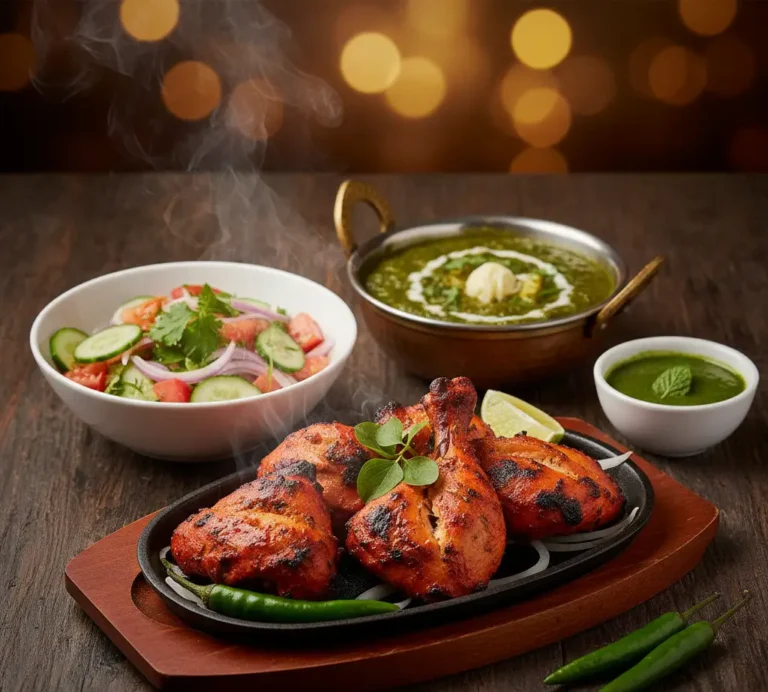
- Palak Paneer: Made with spinach, paneer, and healthy fats like ghee or butter, palak paneer is low in carbs and high in nutrients, making it an excellent keto-friendly vegetarian dish.
- Paneer Bhurji: A flavorful scramble of paneer cooked with spices and vegetables like onions and capsicum (in moderation). It’s protein-rich, filling, and perfect for a keto meal.
Non-Vegetarian Keto Options
- Tandoori Chicken: Marinated in yogurt and spices, then grilled or roasted, tandoori chicken is high in protein, low in carbs, and ideal for the keto diet when prepared without added sugar or flour.
- Chicken Tikka: Tender chicken pieces marinated with spices and cooked in a tandoor or grill. Chicken tikka is a classic keto-friendly Indian dish that is both satisfying and nutritious.
More than these options, there are many other Indian foods suitable for the keto diet, including egg bhurji, fish fry, grilled fish, mutton kebabs, butter chicken (without sugar or cream additives), vegetable stir-fries, mushroom masala, cauliflower curry, and keto-friendly dosa or appam made with low-carb ingredients, making it easy to enjoy a wide variety of flavorful meals while staying in ketosis.
Final Thoughts
The keto diet and Indian food can go hand in hand when approached mindfully. You can savor the rich flavors of Indian food without sacrificing your keto objectives by selecting low-carb ingredients, healthy fats, and protein-packed recipes. From paneer-based vegetarian alternatives to grilled and tandoor-style non-vegetarian dishes, Indian cuisine provides ample versatility for a long-term keto lifestyle. With careful food selection and preparation, the ketogenic diet transforms from a health trend into a fun eating style that combines custom, flavor, and wellbeing.