
Food in India is more than just something to consume; it is an experience. From the fiery curries of the South to the savory gravies of the North, spice runs deep in the country’s savory veins. Bold, fiery, and fragrant smells that stimulate the senses and tell tales of culture, heritage, and taste have long been a favorite of Indians. Does that imply, however, that every Indian meal will make your mouth burn? Not exactly. India is a nation of balance, where heat, sweetness, tang, and fragrance coexist, despite its reputation for spice.
Is Indian Food Spicy?
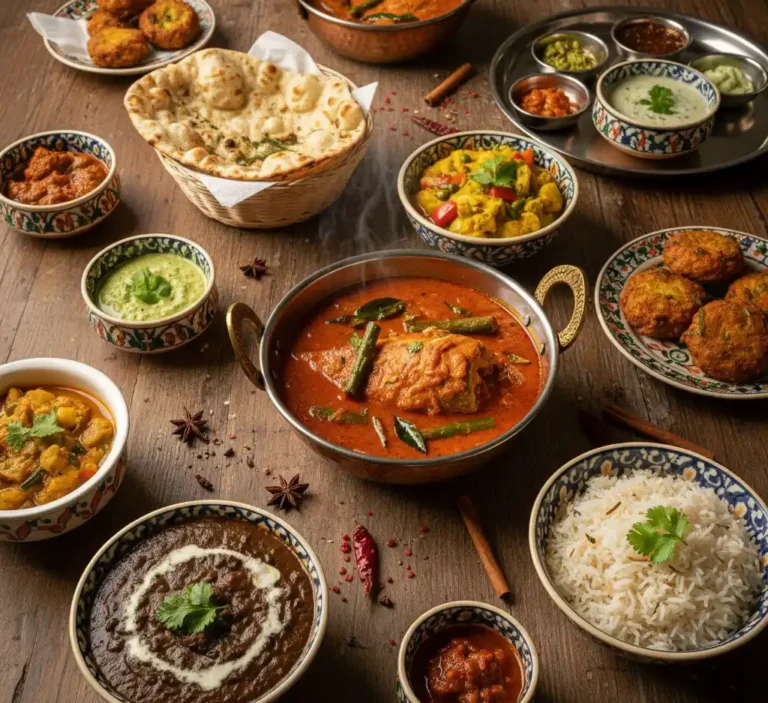
Indian cuisine isn’t always spicy. The quantity of spice in Indian food is highly dependent on regional differences, cooking style, and, of course, personal preference. Every region of India, from north to south and east to west, has its own unique method of balancing heat, flavor, and scent. Vegetable Chettinadu, with its tangy coconut gravy, and Kerala Fish Curry, cooked in a spicy tamarind sauce and topped with creamy coconut milk, provide the typical South Indian spice and depth. These meals celebrate spice in a way that stimulates rather than overwhelms the taste.
However, hot spices aren’t the only aspect of Indian cuisine. There are also gentler, more comforting meals, such as Dal Makhani, a buttery lentil curry that is creamy and relaxing, and Jeera Rice, which is aromatic with cumin but mild in heat. Even street staples like Pav Bhaji and Vada have more flavor than fire, demonstrating that Indian cuisine is about balance rather than merely intensity.
So, while spice is unquestionably an important aspect of India’s culinary appeal, it is not the sole narrative. Whether you want your meal hot and fiery or mild and savory, there’s an Indian dish for you – since Indian cooking isn’t about how spicy it is, but about how well the spices combine.
Are Spicy Indian Foods Good for the Stomach?
Indian food is frequently praised for its strong, spicy flavors, but are these hot foods truly healthy for the stomach? It’s not as easy as a yes or no. While Indian cuisine is known for its heat, most traditional recipes have spices that naturally ease digestion, boost metabolism, and promote gut health. Turmeric, cumin, coriander, ginger, and black pepper do more than just improve the flavor of a food; they also help your digestive system function more effectively.
When taken in the proper proportions, these spices stimulate digestive enzymes and make meals easier to digest. That’s why many Indian foods, even those that are somewhat spicy, leave you feeling light and pleased rather than unpleasant.
However, each person may have a different experience. Dishes that contain a lot of red chili, deep-fried dishes, or thick gravies may be more difficult for people with sensitive stomachs, acid reflux, or gastritis. Dal, jeera rice, idli, curd rice, or gently flavored curries are pleasant and calming substitutes for these people.
In essence, spicy Indian food can be beneficial to the stomach when prepared properly and consumed in moderation. Not only is Indian cuisine defined by its heat, but also by the lovely harmony of spices that add flavor and nourishment to every meal.
Conclusion
Indian cuisine is well-known for its heat, but as we’ve discovered, not all Indian dishes are spicy, and the true beauty comes in the balance of flavors across different locations. Swad Restaurant, an established South Indian restaurant in Lethbridge-Canada, is an excellent place to begin exploring this diversity. Our menu elegantly combines the best of both worlds: spicy favorites like Beef Roast and Kerala-style Fish Curry for spice aficionados, and softer, flavor-rich classics for those who prefer a gentler taste.
Whether you want powerful, tongue-tingling heat or comforting, mellow flavors, Swad offers the real taste of India to your table, demonstrating that Indian cuisine is defined by the rich history, traditions, and ingredients that go into each dish.