
How to Reduce Food Waste in Restaurants
One of the main issues facing the restaurant business today is food waste, which has an influence on operational effectiveness, sustainability, and profitability. Reducing food waste is not only an environmental obligation for every restaurant in Lethbridge, but it is also a sound economic strategy that leads to better cost control and kitchen management.
With years of hands-on expertise in the restaurant field, Swad Restaurant knows the realities of daily operations, from inventory planning to portion control and kitchen workflows. Swad, who has successfully managed restaurant procedures over the years, understands what works in real-world settings and how tiny, practical improvements may have a major impact. In this blog, we’ll look at effective, proven techniques for reducing food waste in restaurants—insights shaped by industry expertise and intended to help restaurants operate more sustainably and effectively.
Steps to Reduce Food Waste in Restaurant
Reducing food waste is necessary to maximize profitability and sustainability in any restaurant. Restaurants can reduce waste without sacrificing food quality or client satisfaction by implementing smart operating procedures.
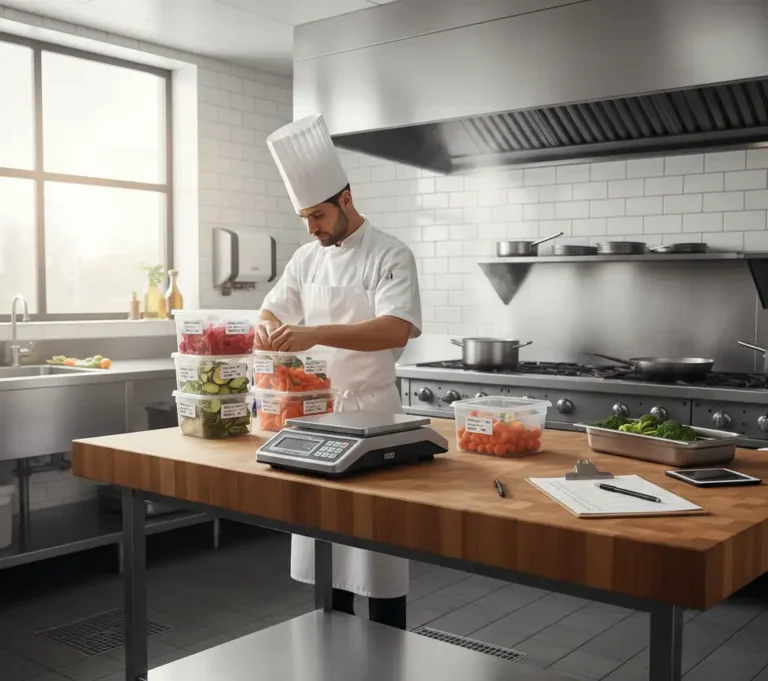
- Track and Measure Food Waste: Start by determining where waste occurs: prep waste, spoilage, overproduction, or plate waste. Restaurants can identify trends and implement remedial measures with the aid of routine monitoring.
- Plan Menus Strategically: Create menus with overlapping ingredients to reduce extra inventory. Seasonal and limited menus help keep food fresh and prevent unwanted stock from stacking up.
- Improve Inventory Management: Use the FIFO (First In, First Out) approach and do routine stock checks. Ingredients are consumed before they expire if they are stored and labeled properly.
- Control Portion Sizes: Standardizing meal sizes saves plate waste while ensuring uniformity. Offering diverse meal sizes can also assist cater to a variety of customer tastes.
- Train Kitchen Staff: Well-trained employees play an important role in waste reduction. Teaching proper cutting techniques, storage procedures, and portion management greatly lowers waste.
- Repurpose Excess Ingredients: Use extra ingredients to create innovative soups, sauces, special dinners, or everyday meals. This not only reduces waste but also expands the menu options.
- Use Technology Wisely: Digital inventory systems and point-of-sale data can assist in estimating demand more accurately, reducing over-preparation and loss.
- Encourage Customer Awareness: Simple initiatives, such as providing takeout boxes and educating consumers on portion amounts, can successfully reduce plate waste.
Final Thoughts
Reducing food waste in restaurants requires a continual commitment to better operations and sustainable procedures. Restaurants can drastically reduce expenses while making a positive environmental impact by monitoring waste, effectively managing inventory, educating employees, and carefully designing menus. Long-term advantages for the company and the community might result from small, regular adjustments to day-to-day operations.
Having worked in the restaurant business for many years, Swad Restaurant is aware of the significant impact that realistic, real-world tactics may have. Every restaurant in Lethbridge can transition to more efficient kitchens, less waste, and a more sustainable future by implementing proven strategies and industry insights.